
Share this article
There Are Only 5 Ways to Make an Ad

Written by:
Joe
The story, vignette, big visual, demo, and endorsement — there are only five types of ads.
Anyone who's been on my team knows I have a strong point of view on this. In fact, most of you are probably sick of hearing about it. I'd love to tell you to blame Larry DeLamarter and Dave Schaeffer for teaching it to me, but I honestly don't remember if it was them or someone else. Either way, it's never failed me.
The other day I was on a call with a client about a piece of campaign creative that was underperforming. It was trying to tell a story, demonstrate the product, introduce the brand, make an emotional connection, and explain a differentiator (all at the same time).
That's often a recipe for disaster.
But the fix is simple: try to reduce it down to a single type of ad.
That solves two problems:
First, it gives you somewhere to start. Instead of staring at a blank page wondering what to make, you start with a simpler question: "What kind of ad are we making?"
Second, it gives you somewhere to edit from. If you can't tell if you're making a story or a demonstration, you're probably trying to make two ads, not one.
Here are the only five types of ad I've ever needed to make.
You can use this framework to make any communication, not just ads.
1. The Story
You weave a tale with a beginning and an end that conveys the moral or models the outcome your product or service provides.
Every Budweiser Super Bowl commercial featuring the Clydesdales is a story. Lots of car ads are too.
Stories show up in long-form emails, restaurant menus, PR, keynote presentations, and just about anywhere someone is trying to bring an audience on a journey.
The story can be about your company or your customer, but in order to work it has to plant a powerful idea that's reinforced throughout the rest of your marketing.
Lots of awareness advertising takes this form.
Credit: Anomaly NY (client: Budweiser)
2. The Vignette
Not to be confused with a story, the vignette is a slice of life.
Instead of taking you on a journey, it gives you a window into a moment. Think of it like looking through a keyhole.
Vignettes show up everywhere from Bounty commercials to Mastercard's "Priceless" campaign. Even Verizon's "Can You Hear Me Now?" campaign is really a series of vignettes presented as a montage.
The best vignettes are emotional, poignant, funny, or all three. They typically hinge on a single authentic human insight.
When I was at eBay, I fell in love with 72andSunny's Fill Your Cart with Color anthem. Looking back, it's basically a series of vignettes stitched together into one film.
Credit: 72andSunny (client: ebay)
3. The Big Visual
You'll know it when you see it.
Big Visual campaigns often don't need many words because the image does the heavy lifting. They're advertising distilled down to a single memorable visual idea.
Think: Absolut Vodka's bottle-shaped print ads, Apple's original iPod silhouette billboards, or Fage's "Ridiculously Thick" campaign.
Do a Big Visual right and people won't just remember it, they'll talk about it.
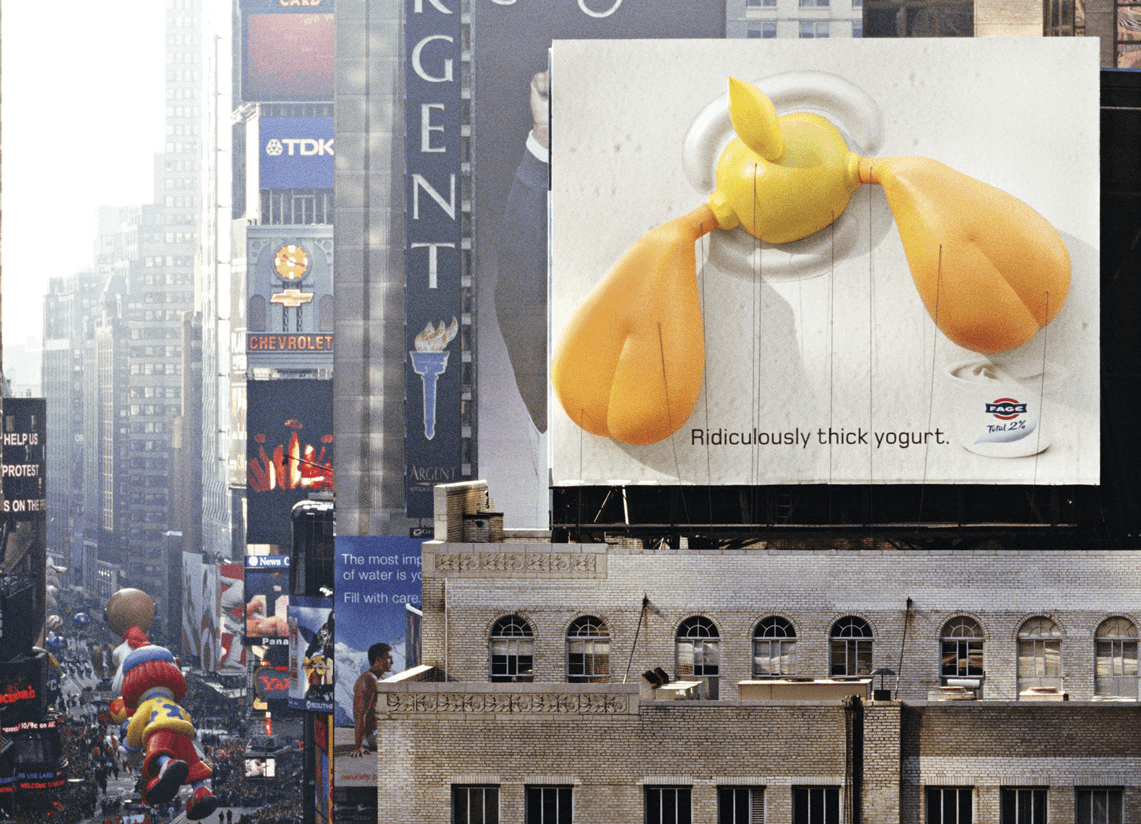
Credit: Ogilvy & Mather NY (client: Fage)
4. The Demonstration
Demonstrations work because they let people watch the claim happen instead of asking them to believe it.
The classic example is Colgate Rapid Shave's famous "Sandpaper Test." (later revealed to be a hoax, oddly enough).
Blendtec's "Will It Blend?" became one of YouTube's defining viral campaigns by turning demonstrations into entertainment. Dyson, FlexTape, OxiClean, and even the Pepsi Challenge are all demos.
A great demonstration creates proof that feels immediate and can dramatically shorten the path from "I've never heard of this" to "I want one."
They're also much harder to create than they look (at least to create them well).
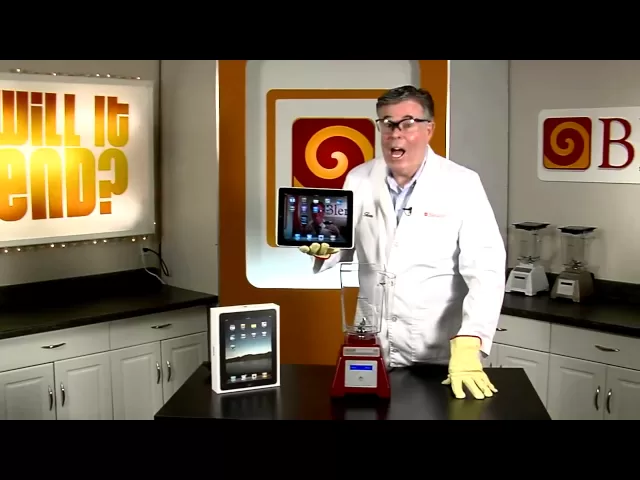
Credit: @Blendtec
5. The Endorsement
Some people scoff at endorsements. "So a celebrity said they use your product. Groundbreaking."
I'd argue it's the most prevalent form of advertising today.
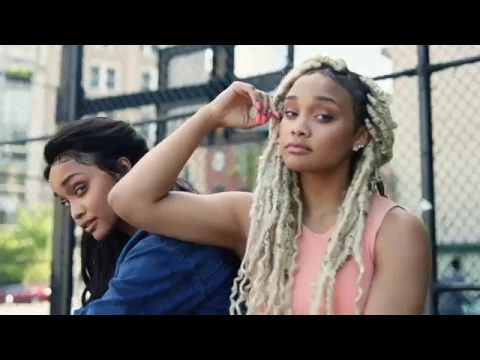
The entire influencer creator economy is built on endorsements. Testimonials are endorsements. "Man on the street" content are endorsements.
They're all borrowing someone else's credibility.
Not every endorsement has major staying power, but it can dramatically accelerate trust, especially when the person doing the endorsing already has credibility with your audience.
Even brands we now think of as inseparable from a celebrity have started with an endorsement relationship (looking at you, Jordan). And fictional endorsers can work, too (Dos Equis built an entire brand around one… as did Frosted Flakes).
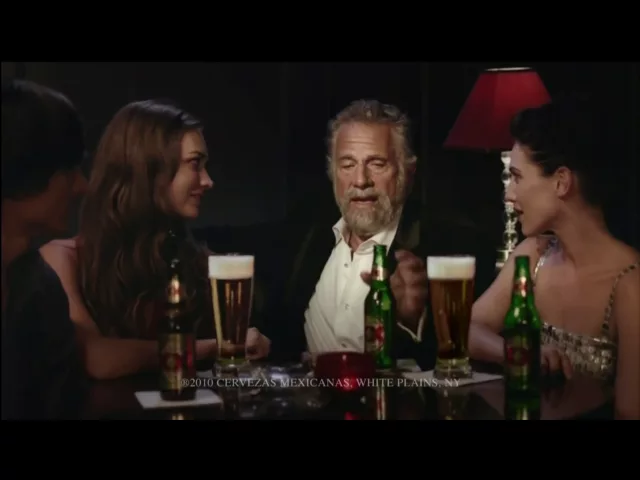
Credit: Euro RSGC (client: Dos Equis)
Like any framework, this one has edges.
Great creative professionals blur the lines and know how to borrow from more than one category. Still, I've found the fastest path to a strong piece of creative is to focus on one style first.
In the same way "Hero's Journey", "Seven Basic Plots", and "36 Dramatic Situations" are useful ways of approachign storytelling but don't actually write the story for you, I think the "5 Types of Ads" is a useful way of thinking about communication. It's a fulcrum.
The next time you're kicking off a campaign or reviewing creative, don't start by solutionizing headlines, colors, or copy. Start by asking what kind of ad you're trying to make.*
Answer that question, and everything else tends to go a little smoother.
*Everyone knows you don't start with just one direction. But use just one style per direction you're exploring, please.